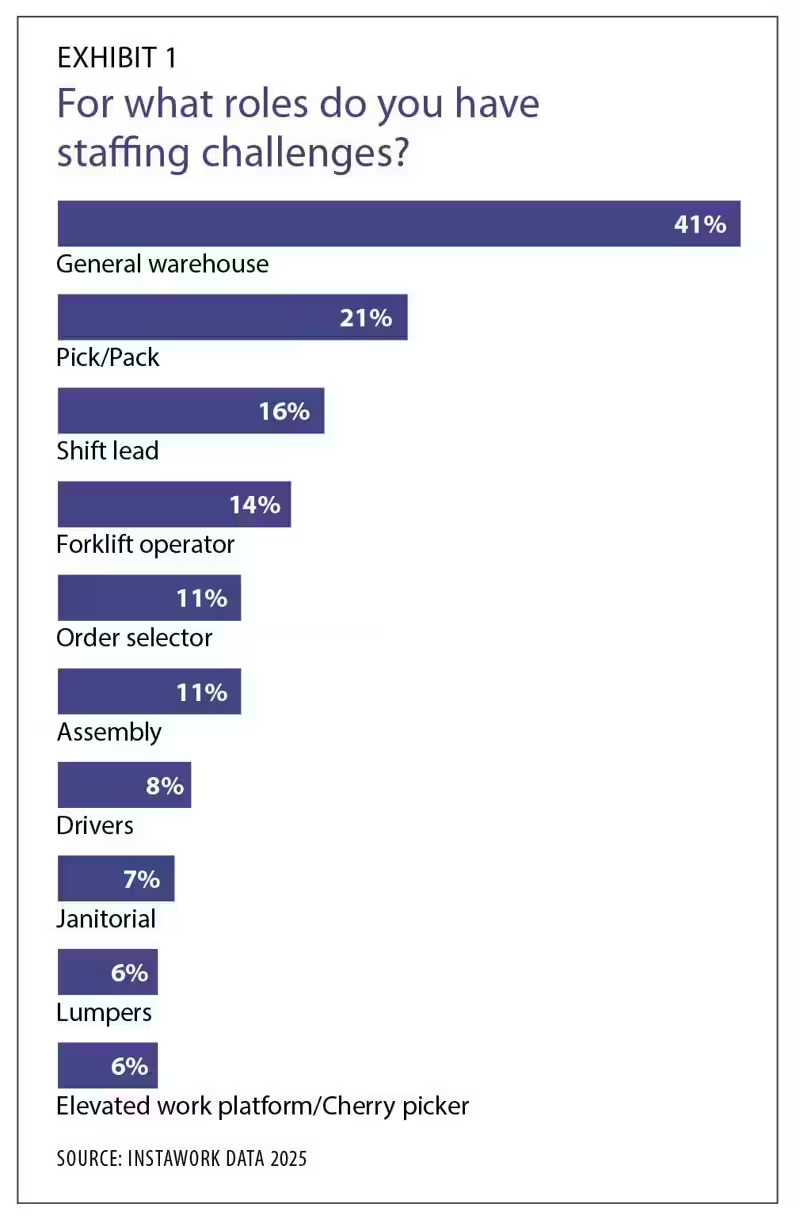
Order picking has become the toughest role to staff in U.S. distribution centers, with 20% of warehouse operators telling industry surveyors they cannot keep the positions filled and annual turnover topping 25%.
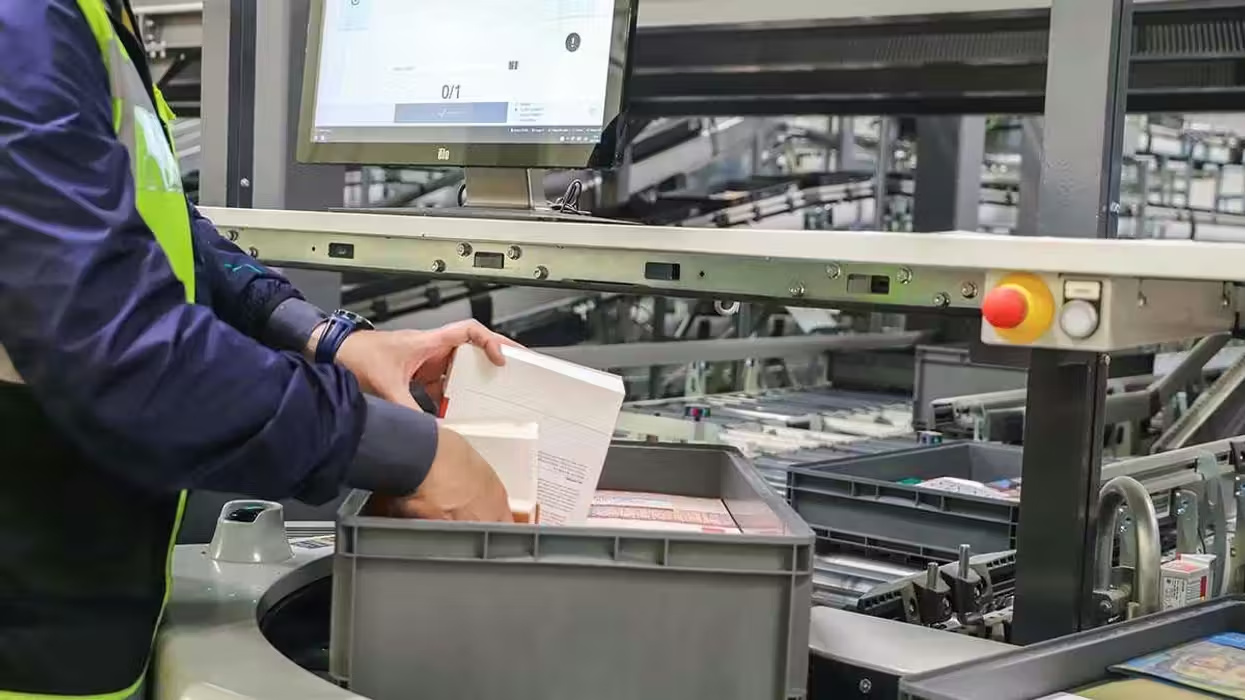
Order picking now drives 55% of warehouse budgets
Pick-and-pack labor swallows more than half of a typical facility’s operating budget, a share that keeps rising as same-day shipping windows shrink. A single picker can walk 8-12 miles per shift, lifting cases in zones that swing from 35 °F freezer aisles to 90 °F upper racks. The physical toll, zero-tolerance accuracy standards, and six-week training curve spin a revolving door that erodes service levels and inflates overtime budgets.
ABC slotting and taller racks cut travel time
Travel distance is the easiest cost to attack. Slotting the 20% of SKUs that generate 80% of picks within 75 ft of the pack bench trims foot traffic 18-22%. Going vertical helps too: 24-ft narrow-aisle racks double pick faces, and gravity-fed carton flow lanes keep fast movers at waist height. Facilities that map these changes before buying automation often recover 7-10% in daily throughput without adding staff.
Voice and robots lift productivity 30%
Hands-free, eyes-up voice systems have become the gateway tech: pickers wearing headsets confirm locations aloud, driving mis-picks below 0.2%. Collaborative robots take the next step, bringing shelves to stationary workers and eliminating half of all walk time. A modular automated storage and retrieval (AS/RS) mini-load can quadruple picks per labor hour in the footprint of four manual aisles, letting firms phase in capital spend as SKU counts grow.
Automation curbs turnover and boosts pay
A Material Handling Institute poll finds 98% of workers on assisted lines report higher productivity, and 60% feel less physical strain. Those numbers translate to tenure: tech-assisted operators stay three times longer than purely manual crews. Nearly half also earn premiums for running the equipment—an automatic raise that still costs less than endless recruiting.
Career maps keep pickers promoted
Clear advancement ladders beat blanket wage hikes when margins are thin. A typical path—picker → voice trainer → team lead → shift supervisor—can be finished in 24 months if each rung demands documented modules on WMS proficiency, lift certification, and Lean basics. Posting internal openings first and funding one outside course per year costs under $600 per employee yet halves first-year attrition.
Action steps for warehouse executives
- Time 100 random picks next week; multiply travel minutes by fully loaded labor cost to build an ROI case for slotting changes.
- Pilot voice picking on the highest-volume SKU cluster—hardware leases start below $800 per headset.
- Add “automation mentor” to at least one hourly job description; promote from within once throughput rises 20%.
- Track accuracy, overtime, and voluntary turnover in the same dashboard; share monthly so labor and ops managers own one integrated metric.
Useful resources
- WERC DC Measures Study – Annual benchmarking report on pick accuracy, cost per line, and turnover benchmarks.
- MHI Automation Roadmap – Free PDF outlining modular steps from voice to full AS/RS.
- OSHA Warehouse Ergonomics eTool – Checklists for slotting heights, lift limits, and anti-fatigue mats.
Comments