Lunar New Year 2026 falls on 17 February—the latest date in 20 years—handing freight forwarders an unusually long runway to fine-tune shipments before a nine-day factory shutdown blankets China, Taiwan, and Vietnam.
Extended Holiday Buffer Resets Freight Calendar
The extra three-week cushion has shuffled cargo decisions into January, scrapping the usual December scramble. Importers can now tie replenishment orders to real point-of-sale data instead of speculative safety stock. Hong Kong’s container terminals recorded a 12 percent week-on-week jump in outbound bookings for Transpacific and Asia-Europe loops last week; carriers have already slapped “priority SKU” cut-offs on 27 January sailings to beat the holiday gate closure.
Item-Level Tracking Replaces Bulk Forecasts
For the first time this cycle, terminal and warehouse operators say RFID-tagged cartons—not SKU-level averages—are steering allocations. Planners can speed up, delay, or reroute individual purchase-order lines within 24 hours. Early-January dashboards seen by Lloyd’s Loading List show typical pre-holiday inventory buffers down 4–6 percent without triggering stock-out alerts.
Air Freight Rates Hold Steady
Unlike 2025’s post-COVID spike, belly-hold space on major Asian gateways is quoted only 8–10 percent above November levels. Block-space deals are still open at ¥28 per kg Shanghai–Los Angeles through 5 February. Analysts blame quieter consumer-electronics launches and a mid-tier shift to ocean, leaving air cargo as a last-mile safety valve instead of a default rush option.
Ocean Surge Expected 7–10 Days Earlier
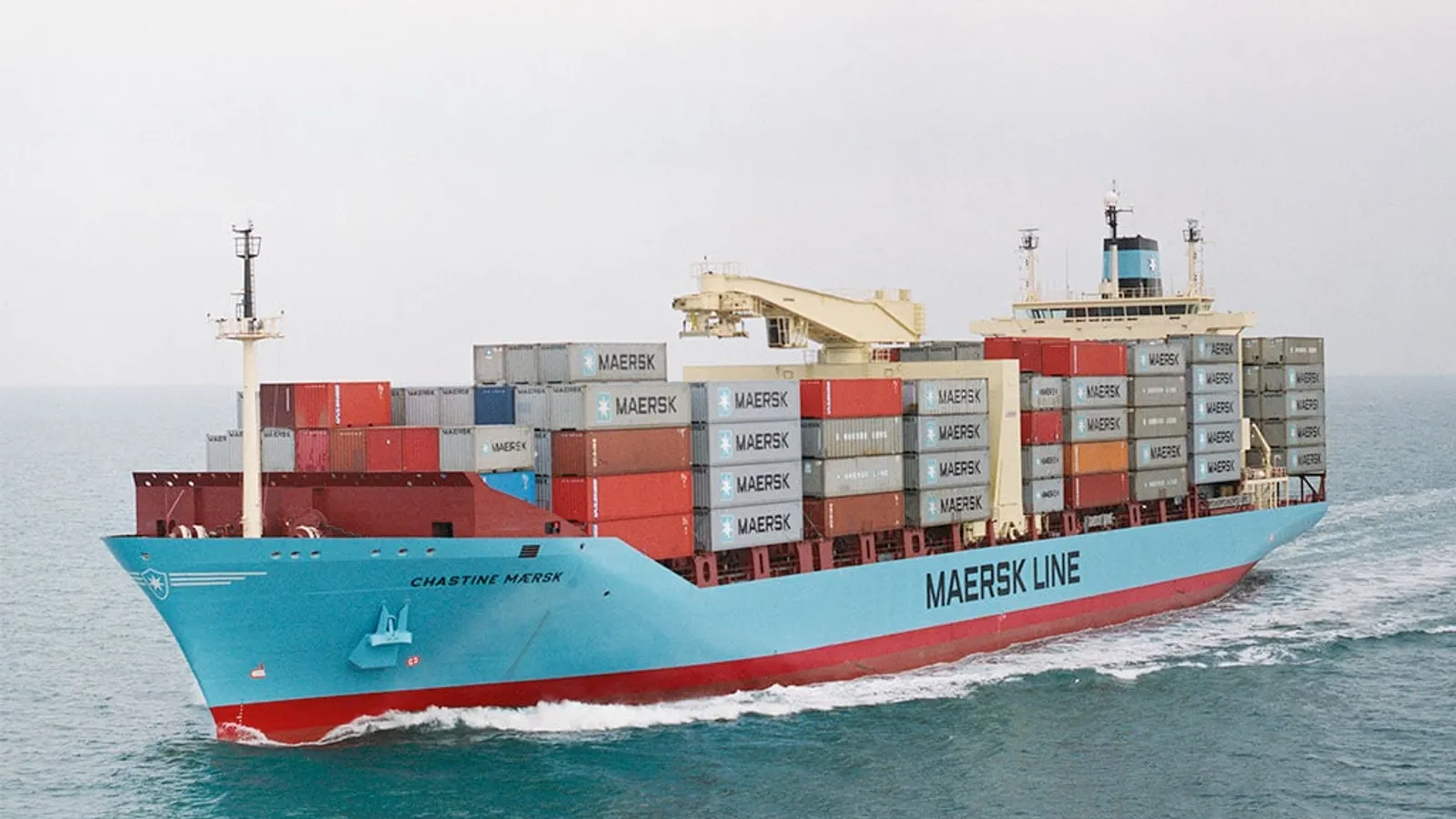
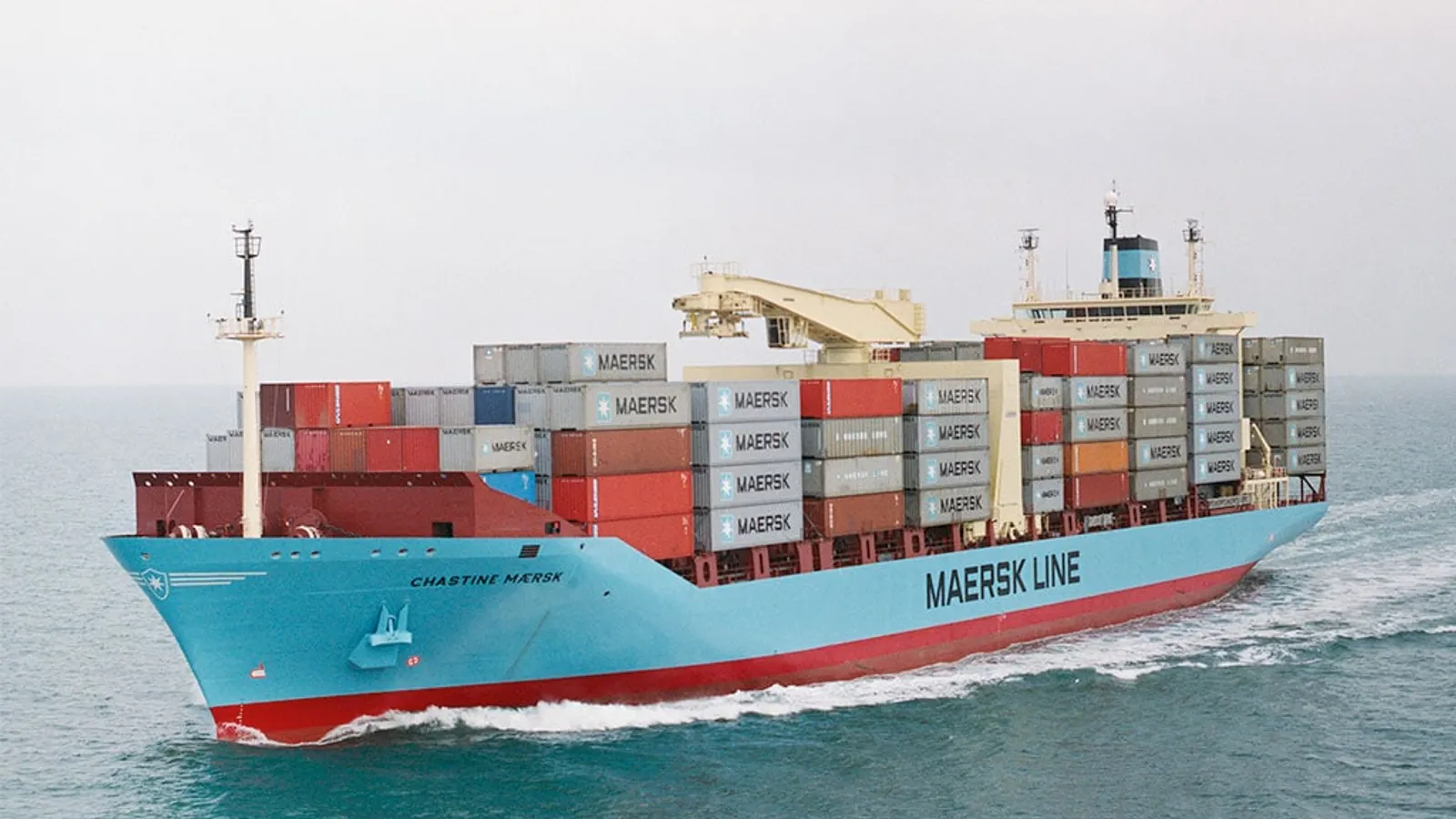
Carriers have filed 42 blank sailings for weeks 6–8, yet overall capacity is set to rise 3 percent year-on-year after 24,000-TEU newbuilds join the Asia-Europe loop. The upshot: a compressed but manageable surge window from 3–14 February, when rollovers are most likely. Beneficial cargo owners are pre-booking equipment pools in Shenzhen and Ningbo, while trans-load yards in Los Angeles have opened auxiliary chassis stacks for the overflow.
Restart Speed Depends on Region
Guangdong plants usually regain 70 percent of their workforce within five days post-holiday; northern Jiangsu can lag until early March. Forwarders are charting restart curves against inbound backlogs and staging the first post-holiday containers for 24 February discharge at Busan and Kaohsiung to dodge Yangtze River fog delays that slowed 2025 recovery.
Forwarder Checklist
- Lock sailing schedules by 20 January; after that, blank-sailing announcements jump 40 percent.
- Reserve air block-space for SKUs carrying under 14 days of cover once sales velocity tops 1.5× the January average.
- Shortlist back-up ports—Busan, Xiamen, or Tanjung Pelepas—to skirt Ningbo berth congestion if rollover risk exceeds 20 percent.
- Book drayage and chassis 72 hours before cargo availability; post-holiday truck capacity drops 25 percent in the first week.
- Upload item-level RFID data to the forwarder’s visibility platform to enable last-minute PO splits between ocean and air legs.
Source: Lloyd’s Loading List