FedEx will begin installing trailer-unloading robots at its U.S. package hubs in 2026, wagering that artificial intelligence can curb one of the industry’s most injury-heavy jobs.
FedEx to Deploy Berkshire Grey "Scoop" Robots in 2026
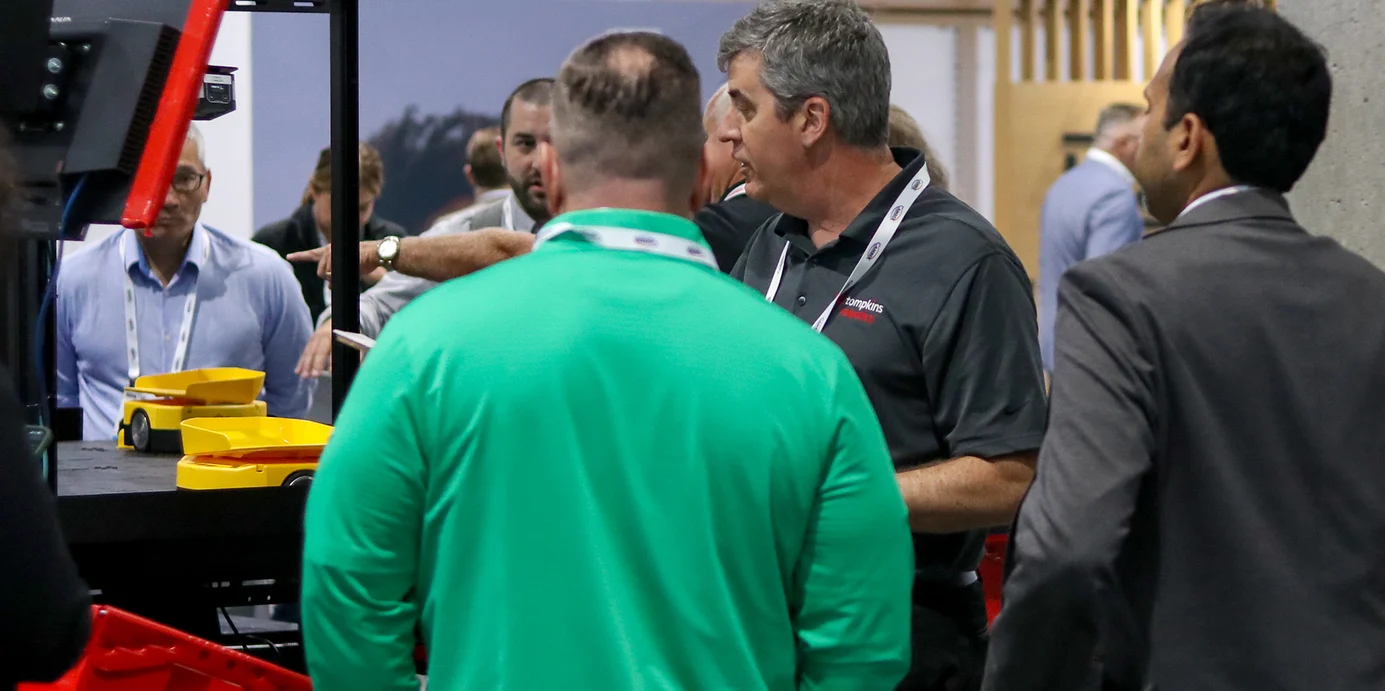
The carrier locked the 2026 production date after months of quiet testing inside an undisclosed sortation hub where several Scoop units have already taken over the shoulder-wrenching job of emptying inbound trailers. Berkshire Grey calls the system “trailer-agnostic”: a ceiling-mounted gantry and telescopic conveyor creep forward while vacuum paddles lift cartons, poly-mailers, and jiffy packs, scan each label, and drop the freight onto the inbound belt. When the floor is clear the robot backs out, flashes a green light, and pings the dock tablet that the door is free for the next trailer.
Why Unloading Has Lagged Behind Loading Automation
Parcel companies automated palletizing and trailer loading years ago, yet unloading stayed manual because every inbound load arrives as a random 3-D pile—leaning walls of crushed boxes, soft packs jammed between steel posts, liquid containers that shifted on the road. Scoop tackles the mess with layered sensors: twin 3-D cameras map the trailer every 300 ms while force-feedback arms choose whether to grip, scoop, or sweep an item without crushing it. Early pilot numbers show the robot moving 600 packages an hour, about 85 % of a veteran two-person crew but with one-fifth the injury rate.
FedEx Expands 2021 Robotics Partnership
The unloading order widens a relationship that began when Berkshire Grey sorters and mobile arms started feeding small parcels into the Indianapolis hub. A 2022 development deal gave both firms joint rights to any AI routines created inside FedEx facilities, turning daily package chaos into a live training set. Meanwhile, FedEx’s venture arm is funding Dexterity AI for trailer-loading trials, raising the prospect of the same trailer being stuffed and later emptied without a human touch.
Labor Impact and ROI Calculations
Bureau of Labor Statistics data show hand laborers in express delivery suffer musculoskeletal disorders at a rate 75 % above the private-sector average; UPS recorded 1,900 unloading-related injuries in 2023. Each lost-time case runs about $68,000 in medical and indemnity costs, according to the National Council on Compensation Insurance. Trim those claims by 30 % and a $350,000 robot pays for itself in 14 months at a 250-door hub running two daily sorts. Customers who lease the units through Berkshire Grey’s robotics-as-a-service program quote an effective cost of $7.80 an hour—well under the $19.50 fully loaded wage of a unionized unloader.
Competitive Rush Toward End-to-End Automation
UPS has tested a similar vacuum-bed unloader from Symbotic in Louisville, and Amazon’s Camp 18 robotics lab is prototyping a dual-arm machine that can peel loose plastic film off mixed pallets. Industrywide, spending on inbound automation rose 41 % last year, researcher Logistics IQ reports, as carriers brace for a projected 7 % annual drop in available warehouse labor through 2030. FedEx’s 2026 target lets the network absorb the new machines during the usual post-peak retrofit window, giving management another lever to protect margins as next-day residential volumes climb.
Action Steps for Facility Managers
- Audit your dock: log trailer variability, SKU mix, and current injury costs to build an ROI baseline before vendors pitch.
- Demand Berkshire Grey’s 2025 production-run data—dwell time, exception rate, maintenance hours—before signing any lease.
- Negotiate dock-door retrofits into 2025 capex budgets; Scoop needs nine feet of ceiling clearance and a 480-volt drop.
- Map displaced workers to quality-control or robot-tech roles; schedule OSHA-powered industrial-truck training ahead of automation.
- Update insurance policies: carriers report 15 % reductions in workers-comp premiums after documenting six months of robotic unloading.
Sources: FedEx corporate communications, Berkshire Grey product briefs, Bureau of Labor Statistics, National Council on Compensation Insurance, Logistics IQ market report