Amazon Pharmacy to Reach 4,500 Towns by End-2026, Adding Ferries, E-Bikes, and Horse-Drawn Wagons
Amazon Pharmacy will expand same-day prescription delivery to about 4,500 U.S. towns by the close of 2026, adding almost 2,000 new ZIP codes and entering its first sites in Idaho and Massachusetts. The build-out relies on cargo ferries, e-bikes, horse-drawn rigs, and a fleet of electric vans to reach pharmacy deserts where the nearest drugstore can sit an hour away.
Urban E-Bikes to Rural Ferries: Mapping the Last-Mile Mix
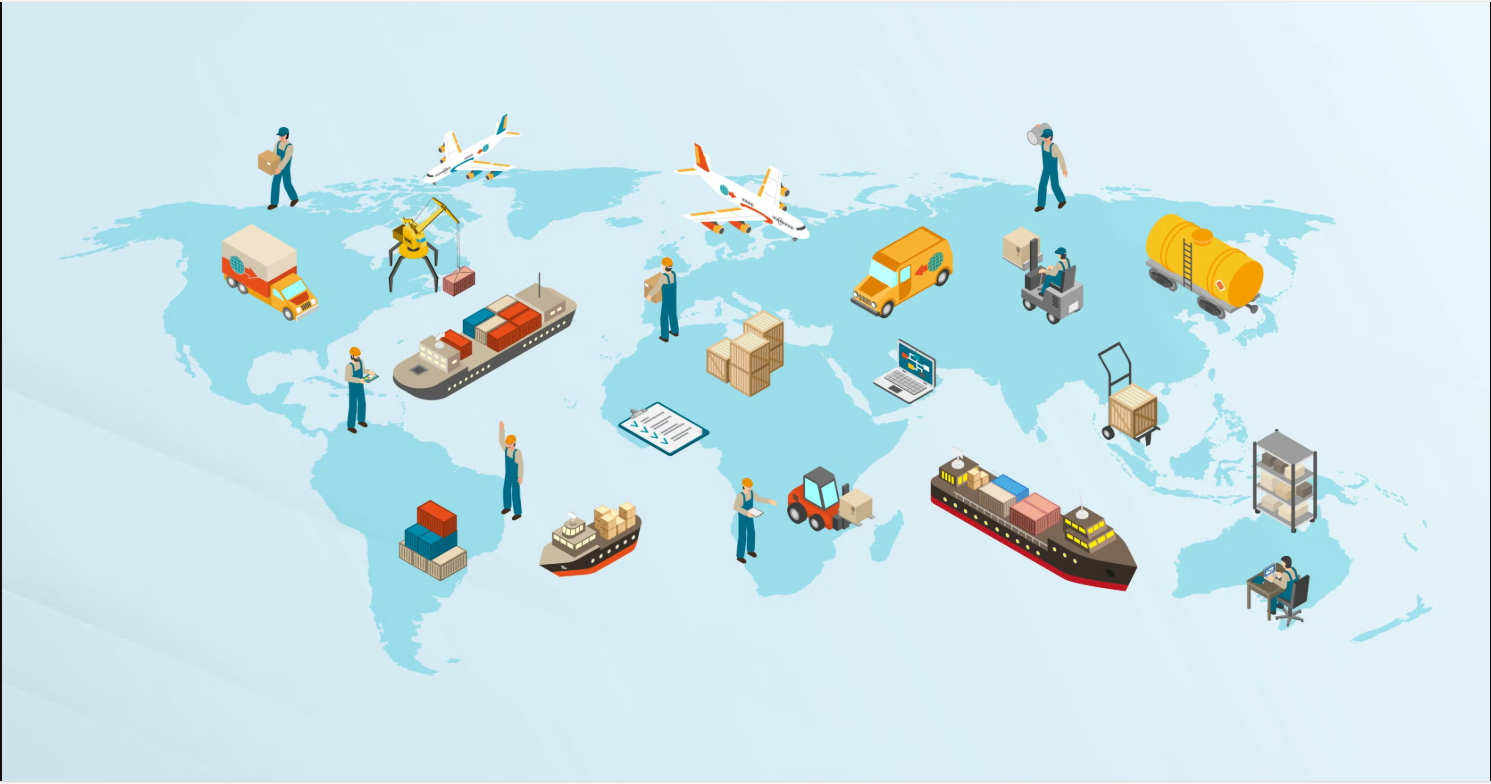
Dense cores such as Manhattan receive insulated pouches via courier e-bikes that weave through traffic in under two hours. Suburban hubs like Chesterbrook, Pennsylvania, swap pedals for electric vans that fan out to cul-de-sacs once or twice a day. Remote outposts—Mackinac Island, Michigan, for instance—see prescription bags arrive on the morning ferry, then complete the final mile by horse-drawn carriage. Amazon’s routing engine assigns each address to the lowest-cost modal option that still meets the promised delivery window, a calculus that now extends to Navajo Nation territory and bush-plane villages in Alaska.
Kiosks at One Medical Cut Prescription Abandonment
Inside a handful of Los Angeles One Medical clinics, waist-high kiosks stocked with the 150 most-prescribed primary-care drugs spit out labeled vials within three minutes of checkout. Early data show the on-site units convert more than 90 percent of newly written scripts, a sharp jump from the national average that sees one in three prescriptions never filled. Inventory algorithms refresh each machine nightly based on local prescribing patterns, turning the clinic lobby into what supply-chain engineers call a “micro-fulfillment node” that sidesteps the costliest leg of parcel shipping.
Competitors Shutter Stores as Amazon Adds Routes
CVS has closed 900 locations since 2022 and lists another 235 for closure this year; Walgreens is trimming at least 500 doors in 2025 on its way to a three-year cull exceeding 1,000. Rite Aid’s bankruptcy auction ended with complete liquidation last October. The retreat leaves 30 million Americans living in areas the CDC classifies as pharmacy deserts, a gap Amazon’s logistics playbook is designed to capture while Walmart races to match the service with its own same-day cold-chain program for insulin and antibiotics.
Refrigerated Fleet and Controlled-Substance Limits
Same-day promise stops at the fridge door—for now. Temperature-sensitive biologics and controlled drugs ride in separate, insulated totes that require signature confirmation and cannot be dropped at a kiosk, keeping Amazon inside most state board-of-pharmacy rules. Company spokeswoman Sara MacLean said expansion into Schedule III pain creams or GLP-1 injectables “will follow regulatory guidance,” hinting that additional cold-chain vans and age-verification steps are on the 2026 roadmap.
Regulatory Timeline Collides with PBM Reform
California’s new pharmacy-benefit-manager law—banning spread pricing and forcing pass-through reimbursement—kicks in January 2026, the same year Amazon’s nationwide build-out completes. Analysts at SSR Health predict the transparency statute could shave 120–150 basis points off per-script margins for mail-order channels, prompting Amazon to accelerate its kiosk strategy where real-estate and labor costs are fixed and controllable. Employers that redesign formularies now can steer patients toward delivery or kiosk options before reimbursement tightens.
Action Steps
- Verify your ZIP code on Amazon Pharmacy’s coverage map; Idaho and Massachusetts residents gain eligibility this quarter.
- Ask your One Medical provider if the lobby kiosk stocks your maintenance drug to eliminate a second trip.
- Request pill-pack synchronization if you take three or more daily meds—pre-sorted pouches ship free and raise adherence scores used by insurers.
- Employer benefits teams should amend PBM contracts to reimburse kiosk and home delivery at parity with retail, locking in adherence rebates before 2026 rate resets.