Logistics operators accelerate shift toward self-orchestrating supply chains that lean on 5G backbones, digital twins, and warehouse-level machine learning to move freight with fewer human touch-points while still honoring same-day delivery promises.
5G Networks Become the Spine of Real-Time Freight Tracking
Millisecond latency turns moving trailers, rail cars, and ocean containers into data nodes. Carriers that have rolled out private 5G inside distribution centers report scan-to-update cycles that are 40 % faster, letting shippers spot temperature swings or shock events inside single cartons and reroute before spoilage claims pile up. Insurers now price premiums in near-real time, cutting costs for fleets whose sensor streams prove gentle handling.
Digital Twins Let Operators Rehearse Disruptions Before They Happen
Ports on both U.S. coasts pair physics-based models with live berth, tide, and crane data to run living simulations that pre-play storm closures, labor stoppages, or sudden volume surges. Savannah’s pilot trimmed average vessel waiting hours by 21 % after software showed that shifting two weekly services to an alternate berth would clear a bottleneck before yard density alarms flashed. Trucking fleets copy the tactic, feeding engine diagnostics into mirrored fleets to flag rigs likely to break down on high-value lanes.
Cloud Platforms Replace Legacy TMS Silos With Elastic Data Lakes
One cross-dock operator now swallows 15 billion scan events a month without adding servers; storage auto-scales during peak, then shrinks, cutting IT spend by roughly one-third versus on-premise peaks in 2019. Analysts can query historical dwell times across every facility within minutes, spotting seasonal patterns that older warehouse management systems kept locked in local databases.
Warehouse Management Systems Learn Layout Tricks on Their Own
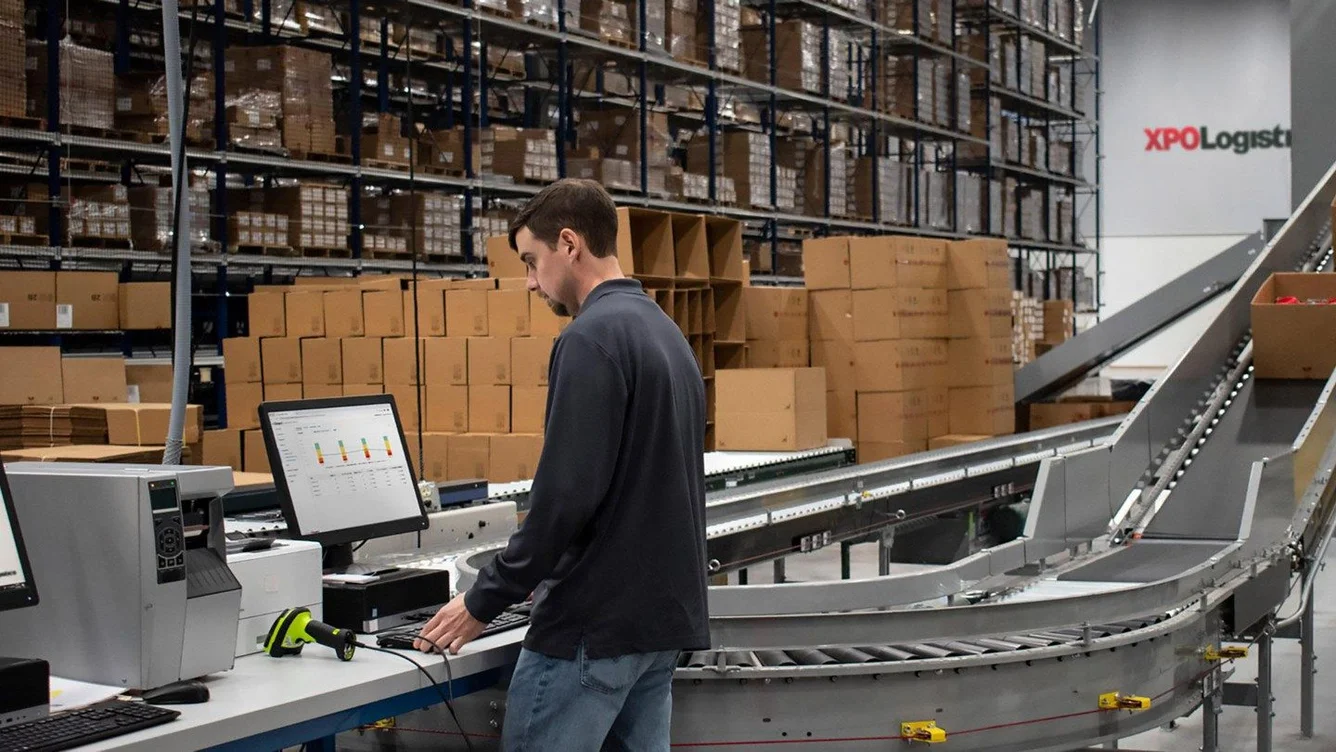
Modern WMS layers no longer stop at pick paths; reinforcement algorithms reshuffle SKU slots nightly based on next-day order probability. A national 3PL that handles apparel returns saw travel distance per tote fall 18 % after six weeks of machine-learning reshuffling, translating into 7 % labor savings and later cut-off times for e-commerce promises. The same software is now tuning slotting in three more buildings.
Autonomous Vehicles and Drones Exit Pilot Mode for Repeatable Routes
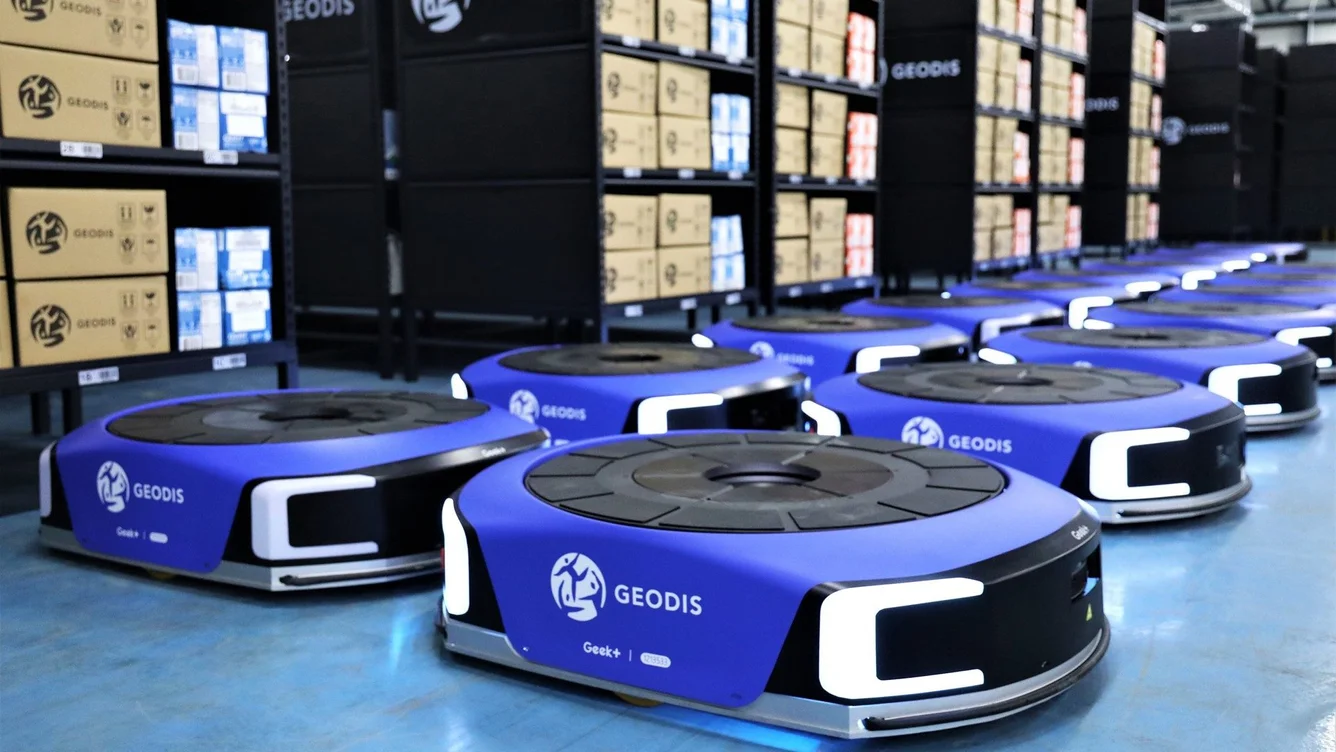
Grocery chains in Texas and Arizona pulled safety drivers from late-night milk runs between dark stores and fulfillment centers after onboard systems logged 250,000 incident-free miles. Rules still cap speeds at 45 mph and limit drone deliveries to 5-pound parcels within line-of-sight, yet the data pile is nudging the FMCSA toward limited driverless expansion on rural interstate segments where 70 % of food-grade freight originates.
Sustainability Tech Cuts Diesel Miles Before Alternative Fuels Arrive
Route engines that layer customer time windows, traffic, and vehicle weight now erase 4–6 % of driven miles, a figure that hits 12 % when carriers allow dynamic appointment rebooking. The gain is immediate: no new trucks, no waiting for renewable diesel pumps. Early adopters log carbon cuts large enough to satisfy first-wave Scope 3 mandates from big-box retailers without touching asset replacement cycles.
Action Steps
- Map every facility and lane you control against 5G coverage maps, then budget for private cells where public towers drop below 50 Mbps.
- Commission a low-cost digital twin of your highest-variance terminal; run 30 days of historical data to quantify potential yard or dock savings.
- Migrate one legacy WMS database to a cloud warehouse and open read-only access to finance and sustainability teams to unlock cross-functional queries.
- Identify repeatable legs under 50 miles with light traffic; pilot autonomous or platooning rigs during off-peak hours to generate real-world safety data for regulators.
Source: Logistics Tech Quarterly